migranes+1
migranes, head-ache
July 17, 2023

New Migraine Medication in Australia by Docto Online Neurologist – Rob Henderson
By Dr Robert Henderson, Neurologist


September 14, 2023
May is awareness month for Crohn’s Disease and Ulcerative Colitis (UC). These are inflammatory bowel diseases of the gastrointestinal tract. Crohn’s disease commonly affects the colon and small intestine, but can occur anywhere throughout the digestive tract. Ulcerative Colitis commonly affects only the colon.

Inflammatory Bowel Disease (IBD) describes auto-inflammatory conditions of the gastrointestinal tract (GI tract). There are two forms of IBD, Crohn’s disease and ulcerative colitis (which can also be referred to as colitis or UC).
IBD usually presents fairly early, between the ages of 15 and 30, and it is a lifelong disease. Currently 100,000 Australians live with IBD, which may be classified as mild, moderate or severe.
The GI tract (or digestive tract) includes the gut and other organs that work to break down and absorb food. The digestive tract starts from the mouth and continues all the way to the anus.
Crohn’s disease can affect any part of the gastrointestinal tract from mouth to anus, but most commonly affects the small intestine and / or large intestine. It may involve the whole thickness of the gastrointestinal wall.
Ulcerative colitis is mostly limited to the large intestine (colon or large bowel). It causes inflammation and ulceration (tiny, open sores) to develop on the bowel lining, which may bleed or produce mucus. The inflammation commonly involves the rectum and may extend up the large intestine.
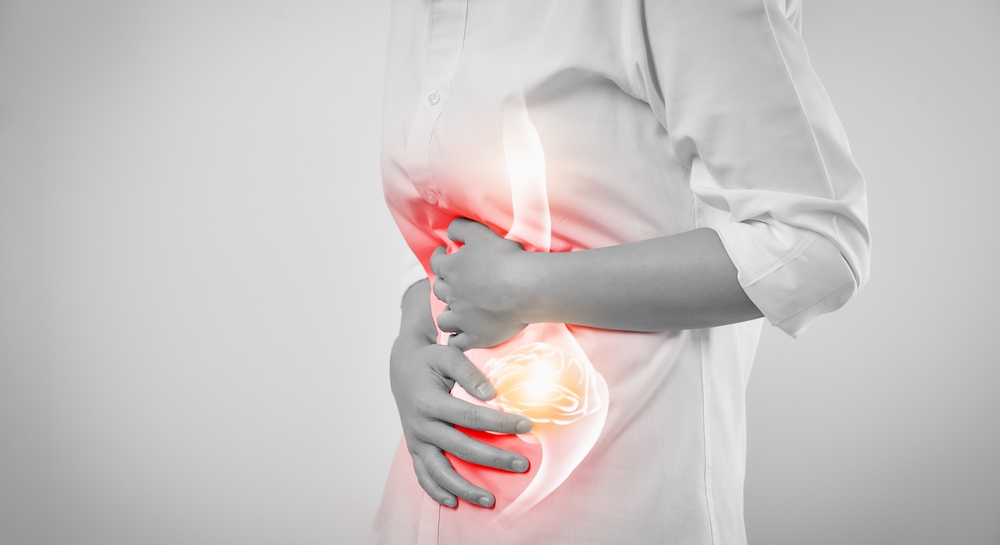
Signs and symptoms of UC can differ between each person, and can range from mild to severe. The severity of symptoms can depend on how much of the colon and rectum has become inflamed, and how strong the inflammation is. Chronic inflammation can impact the body’s ability to absorb nutrients from food. Common symptoms during flare ups include:
Less common symptoms are likely to develop during flare ups and can include:
It’s important to note that gut inflammation can lead to symptoms that affect other parts of the body, so it is important to seek medical advice to discuss any new or unusual symptoms.
Despite a great deal of research, the exact causes of UC are not known. There is evidence however, that genetic, environmental, immunological and microbiology factors can all be at play to some extent in people susceptible to developing inflammatory bowel disease. Stress and diet alone are not believed to cause IBD.
If a person has a close relative (such as a parent or sibling) with IBD, they are at a slightly increased risk of also developing an IBD.

Ulcerative colitis symptoms can flare for reasons specific to each person. The most common triggers can include:
Ulcerative colitis symptoms usually appear in teenagers and young adults, though the symptoms can appear at any stage of life.
An ulcerative colitis diagnosis is made by a doctor, usually a gastroenterologist. Symptoms of UC are similar to many other conditions, so a range of tests will likely be needed before a conclusive diagnosis can be made.
Diagnostic tests may include:
It’s important to remember that UC can change over time. Your doctor may order different tests at different times, to monitor your disease and assess whether your current treatment is working. This is particularly the case if you experience flare ups of your symptoms.
Colonoscopies will most likely be an ongoing test required for people with UC.
There is currently no cure for ulcerative colitis. The main goal of ulcerative colitis treatment is to reduce inflammation and symptoms and heal the bowel, so a person’s quality of life is as optimal as possible. As ulcerative colitis tends to impact each person differently, there are many different treatment options.
For most people with ulcerative colitis, the condition can be well managed through medication, lifestyle choices and in some cases, surgery. Treatment may change over time, as ulcerative colitis can change over time. It is important for each person to work with their doctor and healthcare team, to discover the treatment that works best for them.
Treatments may include:
There is also a range of complementary treatments that can be beneficial for people with ulcerative colitis. As there is a known connection between gut health and mental health for example, improving your psychological health can positively affect your gut health and reduce the symptoms of UC.
These are some of the commonly asked questions about ulcerative colitis.
How does a person get colitis?
Ulcerative colitis is not contagious. The cause of UC is unknown. It may be caused by a virus, bacteria or something environmental that activates an immune system response – but it’s not known why the immune system activates in some people and not others.
There seems to be a genetic connection, so if you have a family history of inflammatory bowel disease (particularly a parent or sibling with IBD) you are at a slightly increased risk of developing it too.

What foods trigger colitis?
Diet and nutrition have an important role to play in themanagement and reduction of ulcerative colitis symptoms. However, as UC impacts each person differently, learning which food may trigger symptoms can be a challenging process. Keeping a food diary is one way to keep track of your diet and any subsequent symptoms.
There is no medically agreed foods that definitively trigger colitis. In general, most people with ulcerative colitis should follow the Australian Guide to Healthy Eating when their symptoms are in remission. There is currently not enough evidence to recommend a specific diet, beyond health eating guidelines, when a person is experiencing a flare of their UC symptoms.
It is important to see an accredited IBD specialist dietician for dietary guidance and support.
Does colitis go away?
Ulcerative colitis cannot be cured. Its symptoms can however be inactive, or in remission. Depending on the severity of your symptoms, remission can occur by itself. A person is more likely to experience remission however, through adherence to treatment protocols.
It is important to let your doctor know of any changes to your symptoms, particularly if they are new or get worse.
What is colitis and how is it treated?
Ulcerative colitis is an inflammatory bowel disease (IBD) which causes inflammation of the inner lining of the colon and rectum. Treatment can vary from person to person, and can change over time as the disease develops, as discussed above under Ulcerative colitis disease treatments. Treatment options can include medication, dietary and lifestyle changes and surgery.
It is important for each person to seek medical advice, to discover the treatment that works best for them.
How do you test for colitis?
Testing for ulcerative colitis is detailed above under Getting an ulcerative colitis diagnosis, and may include a combination of blood tests, stool tests and endoscopic examination.
If you are concerned about your digestive or bowel health, or are experiencing signs and symptoms of ulcerative colitis, it important to speak with your doctor.
What is the most severe complication of ulcerative colitis?
There are a few rare but severe complications of ulcerative colitis. They include:
To lower your risk of severe complications of ulcerative colitis, it is important to follow the treatment protocol prescribed by your doctor, and to always seek urgent medical advice for any new or changed symptoms.

What are the long term complications of ulcerative colitis?
There are a number of long term complications that some people with ulcerative colitis may experience. These complications are caused when inflammation develops in other parts of the body, such as the liver, skin, joints and eyes.
Osteoporosis (thinning of the bones) can also develop as a side effect of long-term corticosteroid use.
It is important to regularly see your gastroenterologist so your symptoms may be monitored and treatment protocols adapted. This may help prevent complications from developing. Regular monitoring by a gastroenterologist, as well as colonoscopies, may help prevent complications from developing.
Can ulcerative colitis be life-threatening?
It’s extremely rare for ulcerative colitis to be life-threatening. Most people with ulcerative colitis will eventually die from another cause. In most cases, ulcerative colitis can be well managed throughout a person’s life.
Can diabetes cause colitis?
Diabetes does not cause ulcerative colitis. Studies however have shown that:
Further research is needed on the connection between diabetes and IBD. It appears though that beyond digestion and nutrient absorption, the gut plays a major role in regulating the body’s glucose levels.
What are the 3 types of colitis?
Ulcerative colitis can be further classified, depending on where in the large bowel or rectum a person predominantly experiences inflammation and / or ulceration.
The three different types are:
Who is most at risk for colitis?
Ulcerative colitis can occur in anyone, though there seems to be a higher risk in people of Ashkenazi Jewish descent. Family history can also increase the risk of UC, particularly if you have a parent or sibling with a diagnosed inflammatory bowel disease.
Is ulcerative colitis serious?
For the majority of people diagnosed with ulcerative colitis, it has little effect on life expectancy or quality of life. It is however a chronic, lifelong condition which will include periods of active symptoms (flare ups) and remission.
It is recommended that people diagnosed with UC remain under the care of a gastroenterologist so that their disease may be well treated, monitored and managed.
What are the first signs of colitis?
The first signs of ulcerative colitis a person may experience include:
DOCTO CAN HELP WITH YOUR BOWEL HEALTH.
Good management of IBD, both Crohn’s and colitis, is important for improving your quality of life. This includes accessing all the relevant health information you can, and having a trusted specialist medical team to help manage and understand your diagnosis.
If you have any concerns about your bowel, digestive or gut health, please contact Docto and seek a referral to one of our gastroenterologists. Find out more at docto.com.au today!
BY PHOEBE
This blog is for informational purposes only and does not constitute medical advice. Please consult a licensed healthcare provider for diagnosis and treatment.
By Dr Robert Henderson, Neurologist

DOCTO – Australia’s online hospital – announced today that 100 medical specialists are available for consultations. The number of specialists providing services on the platform has grown from 40 to 100 in recent months, due to increased demand from patients and GPs for DOCTO’s Medical Specialist Telehealth service.

“Does my baby have reflux?”
 Winner
Ignite+Scale for fastest growing scale ups plus Ignite Ideas for high-growth potential start-ups to compete in a global market.