migranes+1
migranes, head-ache
July 17, 2023

New Migraine Medication in Australia by Docto Online Neurologist – Rob Henderson
By Dr Robert Henderson, Neurologist


September 1, 2023
1. Increase water intake
Staying hydrated is not only important for your overall health, but keeping up your water intake can help to keep your prostate healthy. The prostate, like all other organs in your body, relies on being hydrated to function properly. A general rule of thumb is to drink between 8 and 10 glasses of water a day, or roughly 2.5L, but ideally you should drink enough for your urine to be as close to colourless as possible.

2. Understand your risk factors
Age and family history are the most significant risk factors for prostate cancer. As the risk of prostate cancer rises after the age of 50, it is important that your GP routinely checks your prostate health after this age. If you have a family history of prostate cancer, it’s important you do this at any age. Lifestyle and dietary choices haven’t been scientifically proven to increase prostate cancer risk. However, it is advisable to maintain a healthy weight range, quit smoking and ensure a varied intake of fresh, whole foods. This will give you the best chance of maintaining good overall health, and being aware of any body-function changes that should alert you to seek medical help.

3. Move your body more
In addition to eating a healthy diet, you should stay active. Regular exercise is an excellent protective behaviour against a range of significant health issues, including heart disease, stroke and some cancers. There has not been a conclusive study done on the relationship between exercise and prostate health. However, regular moderate exercise is extremely beneficial for your overall physical and mental health. Aiming for 30 minutes of daily aerobic exercise such as swimming, walking or cycling is a great start.

4. Keep stress levels down
Being able to keep your stress levels down can positively contribute to your overall health. Maintaining good physical and mental health through diet, exercise and the way you respond to life events, is important in the prevention and control of a range of diseases.

5. Limit salt intake
It’s a good idea to reduce your salt intake. Where you can, choose foods that are low in sodium. Avoid processed foods that are likely to have significantly higher levels of sodium. Check and compare food labels when grocery shopping, and go lightly on the salt shaker.

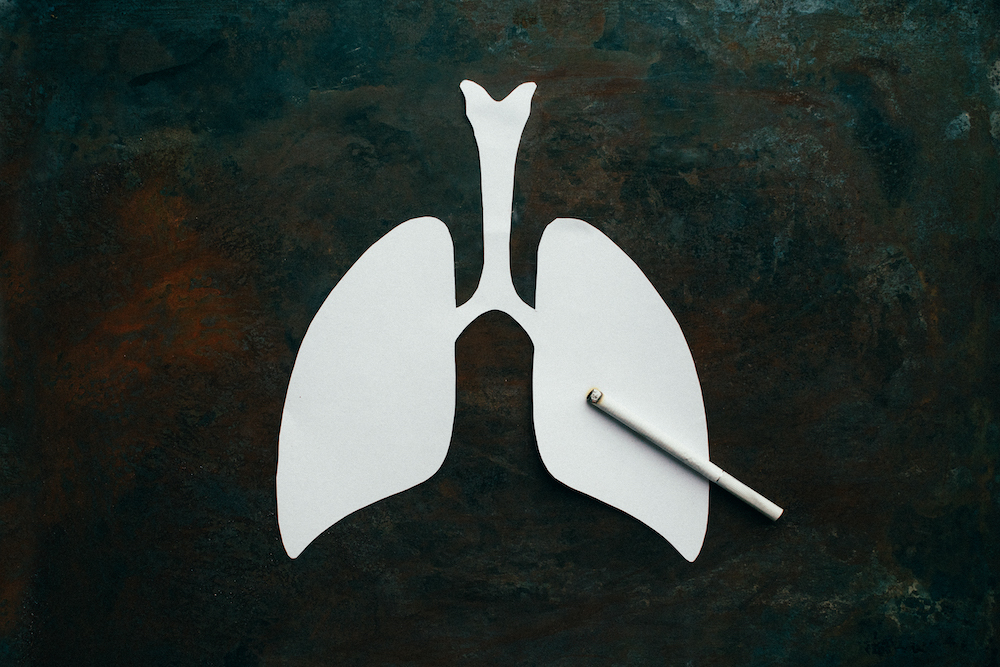
6. Quit smoking
Quitting smoking is always an excellent decision to make. There is some evidence that smoking is a likely risk factor for the progression of prostate cancer, and also that it increases the risk of more aggressive prostate cancer. Smoking could also increase the chance of prostate cancer returning after treatment.
7. Limit red meat
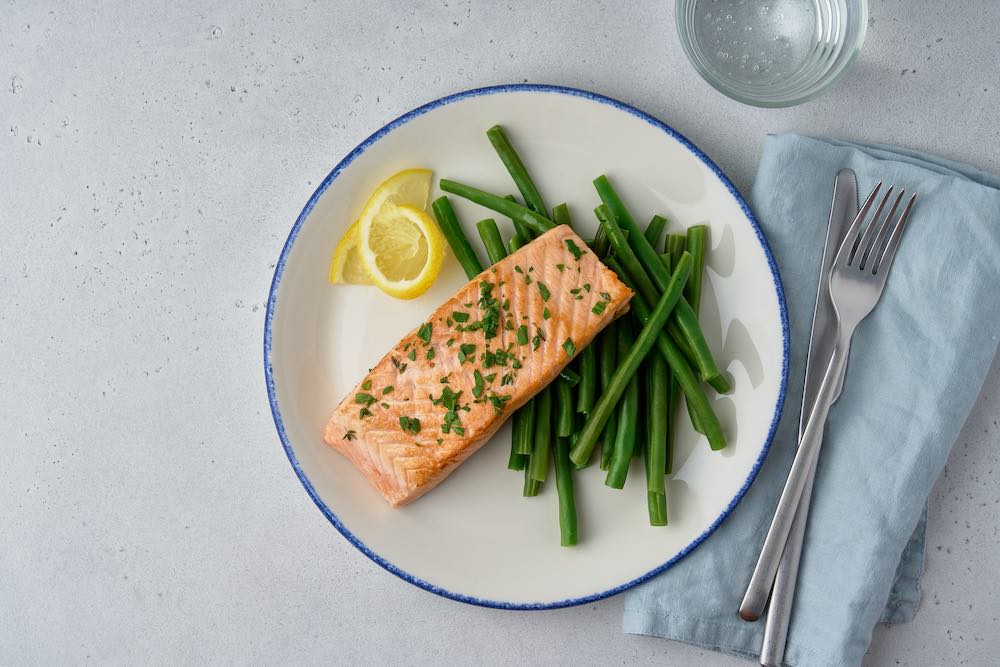
Reduce your consumption of red meat. This includes beef, pork and lamb as well as processed meats. Go for white meats such as fish and skinless chicken and duck. Eggs and beans are also great alternate sources of protein.
8. Amp up your fruit and vegetable intake
Aim to eat two servings of fruit and three servings of vegetables each day. And ‘eating the rainbow’ is a great goal too, choosing fruits and vegetables with different, vibrant colours. Think leafy green vegetables, red, yellow and purple fruits, and orange carrots – as many colours and varieties as you can.

9. Avoid antihistamines
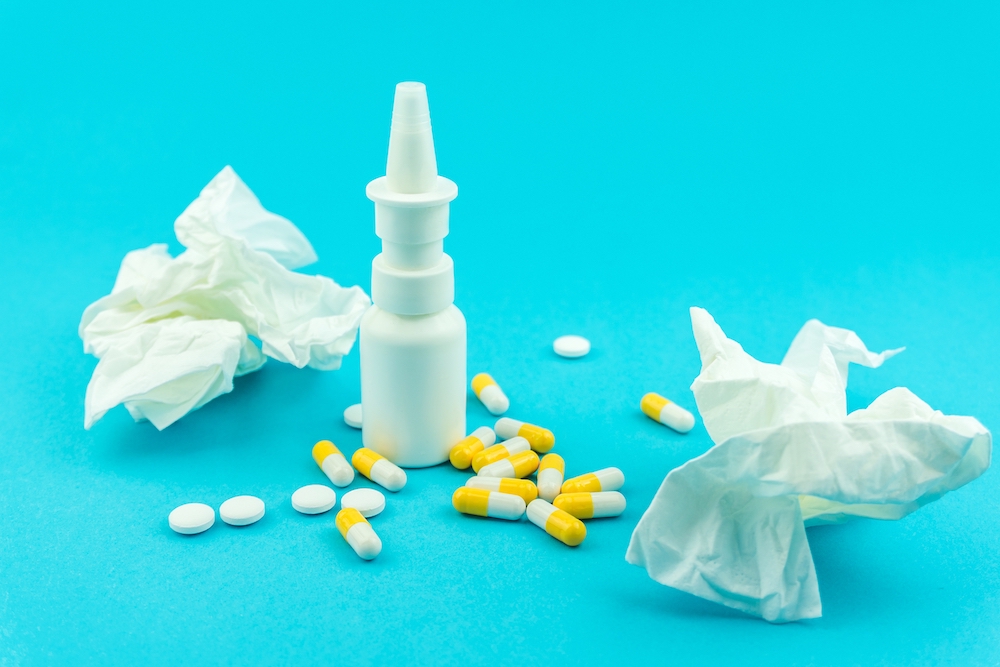
If you have been diagnosed with Benign Prostatic Hyperplasia (BPH) or an enlarged prostate, you will likely experience difficulty in urinating. For this reason, it is advisable to avoid using any medications that increase urine retention. These can include over-the-counter antihistamines and decongestants. If you have concerns about any prescribed or over-the-counter medications impacting your prostate health, please speak to your pharmacist or GP.
10. Drink coffee and tea
This one may surprise you. Green tea is a great antioxidant. And regular coffee – one to two cups each day – can also be beneficial. So be sure to maintain your regular tea and coffee drinking habit – just don’t add sugar! If you currently add sugar to your tea and coffee, work to gradually reduce your sugar intake until you can enjoy your daily cup without it.

If you are at all concerned about prostate health or symptoms, book an appointment with your doctor today.
BY PHOEBE
This blog is for informational purposes only and does not constitute medical advice. Please consult a licensed healthcare provider for diagnosis and treatment.
By Dr Robert Henderson, Neurologist

DOCTO – Australia’s online hospital – announced today that 100 medical specialists are available for consultations. The number of specialists providing services on the platform has grown from 40 to 100 in recent months, due to increased demand from patients and GPs for DOCTO’s Medical Specialist Telehealth service.

“Does my baby have reflux?”
 Winner
Ignite+Scale for fastest growing scale ups plus Ignite Ideas for high-growth potential start-ups to compete in a global market.