migranes+1
migranes, head-ache
July 17, 2023

New Migraine Medication in Australia by Docto Online Neurologist – Rob Henderson
By Dr Robert Henderson, Neurologist


September 1, 2023
Healthcare in regional and remote Queensland faces unique challenges due to the vast distances between communities, limited resources, and the high prevalence of chronic diseases. Despite these challenges, healthcare providers and policymakers have been working to improve access to quality healthcare in these areas.
One of the most significant challenges facing healthcare in regional and remote Queensland is the distance between communities. Patients in these areas may need to travel long distances to access healthcare services, which can be especially challenging for those with chronic illnesses or disabilities. Additionally, the limited availability of healthcare professionals in these areas can lead to long wait times and difficulty accessing specialist care.
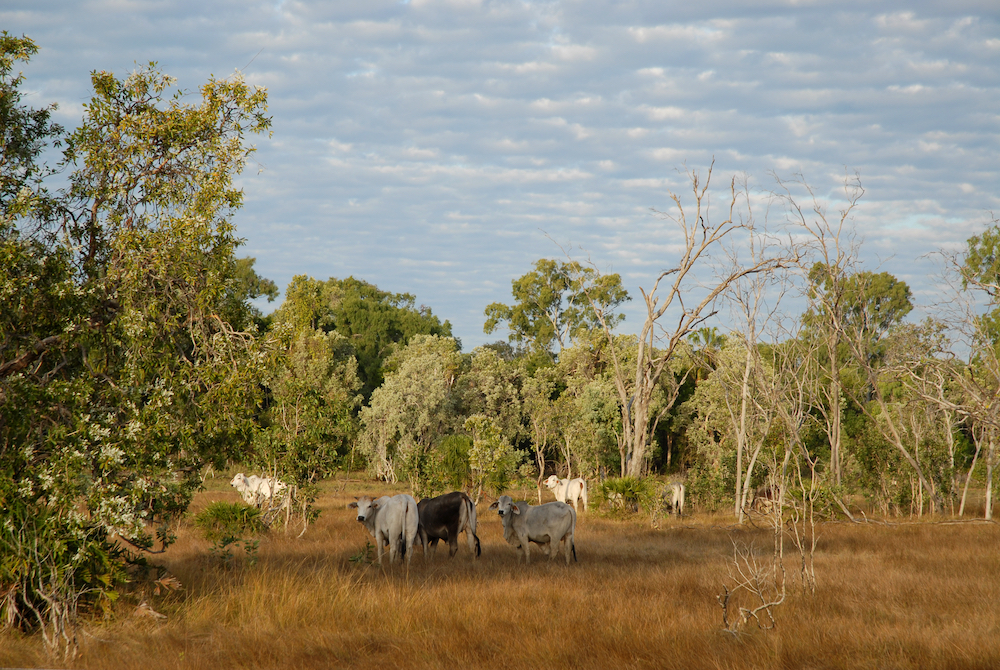
To address these challenges, policymakers have implemented a range of strategies, including telehealth services, outreach clinics, and increased funding for rural healthcare services. Telehealth services, which allow patients to connect with healthcare professionals remotely, have been especially helpful in providing access to specialist care. Additionally, outreach clinics, which bring healthcare providers to remote communities, have helped to improve access to primary care services.
Despite these efforts, there is still much work to be done to improve healthcare in regional and remote Queensland. One area of concern is the high prevalence of chronic diseases, such as diabetes and heart disease, in these areas. Chronic diseases are more common in regional and remote areas due to factors such as socioeconomic disadvantage, limited access to healthy food, and a lack of physical activity opportunities.
To address this issue, healthcare providers and policymakers have implemented a range of preventative health strategies, such as community education programs, healthy food initiatives, and increased access to physical activity programs. Additionally, there has been a focus on early intervention and management of chronic diseases, which can help to prevent complications and reduce the need for hospitalizations.
Another area of concern in healthcare in regional and remote Queensland is the limited availability of healthcare professionals. Healthcare professionals in these areas may face isolation, limited resources, and a lack of access to ongoing education and training opportunities. Additionally, it can be challenging to recruit and retain healthcare professionals in remote areas due to the limited career opportunities and lifestyle factors.
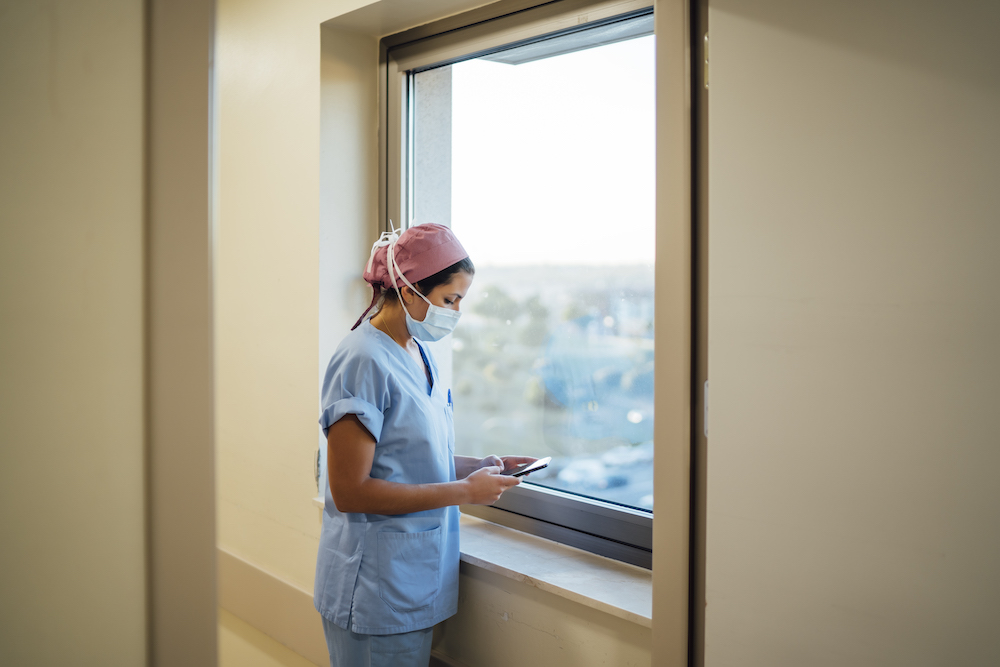
There has been a focus on increasing funding for rural healthcare services, providing ongoing education and training opportunities for healthcare professionals in remote areas, and increasing the availability of scholarships and other incentives for healthcare professionals who choose to work in regional and remote areas.
Healthcare in regional and remote Queensland faces unique challenges due to the distance between communities, the limited availability of healthcare professionals, and the high prevalence of chronic diseases. While there have been efforts to improve access to quality healthcare in these areas, there is still much work to be done. By focusing on preventative health strategies, increasing funding for rural healthcare services, and providing ongoing education and training opportunities for healthcare professionals in remote areas, we can work to improve healthcare outcomes for all Queenslanders.
Telehealth is a crucial tool that helps those in regional and remote Queensland access quality healthcare services. Telehealth uses modern technology to provide medical services, consultation, and advice remotely. This technology allows patients to connect with healthcare providers in real-time, regardless of their location, providing them with access to the care they need.
One of the primary benefits of telehealth is that it helps to overcome the significant distances between communities in regional and remote Queensland. Patients in these areas may have to travel long distances to access medical services, which can be a significant challenge, especially for those with chronic conditions or disabilities. Telehealth allows patients to connect with healthcare professionals without having to leave their homes, which helps to reduce travel time, expenses, and inconvenience.
Telehealth also provides access to specialist healthcare services that may not be available in remote areas. Many patients in regional and remote Queensland may have to travel long distances to access specialist care. Telehealth allows them to connect with specialists who are located in other parts of the country, without having to leave their communities. This is especially crucial for patients who require ongoing specialist care or monitoring.
In addition to improving access to medical services, telehealth can also improve the quality of care that patients receive. Healthcare providers can use telehealth to monitor patients’ health and provide ongoing support and advice. This can help to detect and manage health problems early, reducing the risk of complications and hospitalizations.
Telehealth can also improve patient outcomes by providing a more convenient and comfortable experience. Patients who use telehealth can access care from the comfort of their homes, without the need to travel long distances, wait in crowded waiting rooms, or risk exposure to infectious diseases.
Telehealth is an essential tool that helps those in regional and remote Queensland access quality healthcare services. Telehealth helps to overcome the significant distances between communities, provides access to specialist care, improves the quality of care that patients receive, and provides a more convenient and comfortable experience for patients. As such, telehealth plays a critical role in improving healthcare outcomes for all Queenslanders.
Docto provides essential specialist telehealth services to those in regional and remote communities across Queensland. Find out more here.
BY PHOEBE
This blog is for informational purposes only and does not constitute medical advice. Please consult a licensed healthcare provider for diagnosis and treatment.
By Dr Robert Henderson, Neurologist

DOCTO – Australia’s online hospital – announced today that 100 medical specialists are available for consultations. The number of specialists providing services on the platform has grown from 40 to 100 in recent months, due to increased demand from patients and GPs for DOCTO’s Medical Specialist Telehealth service.

“Does my baby have reflux?”
 Winner
Ignite+Scale for fastest growing scale ups plus Ignite Ideas for high-growth potential start-ups to compete in a global market.