migranes+1
migranes, head-ache
July 17, 2023

New Migraine Medication in Australia by Docto Online Neurologist – Rob Henderson
By Dr Robert Henderson, Neurologist


September 1, 2023
Finding a dermatologist in Australia can be a daunting process. Read Docto’s handy guide to help you find a dermatologist for your skin concerns.
A good dermatologist possesses a combination of essential qualities and skills, including:
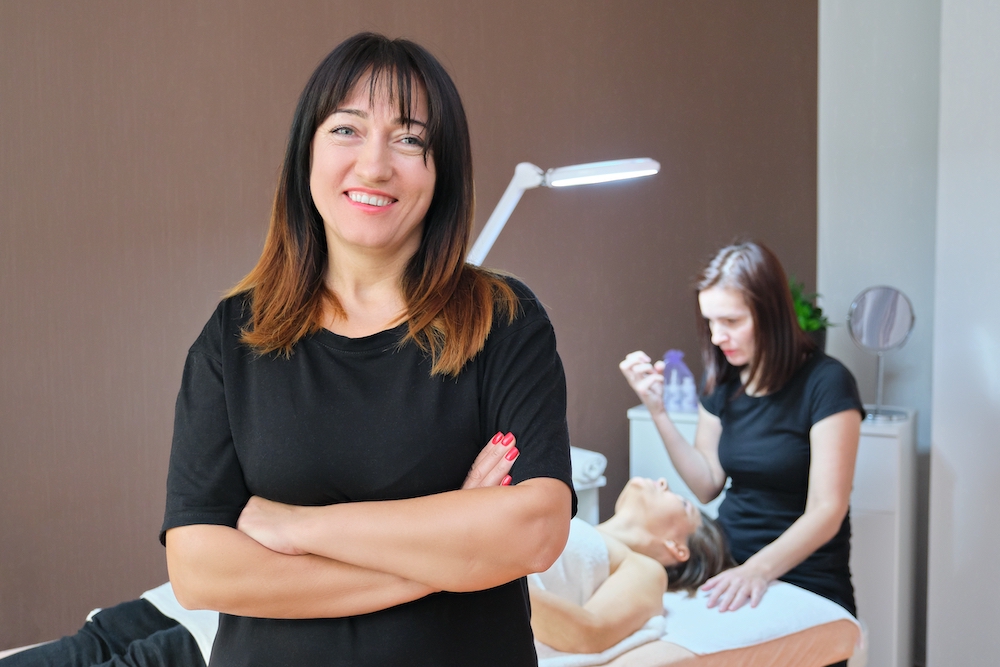
Here are some tips on finding a dermatologist in Australia:
It can often feel daunting to find a new doctor whether it be for your skin health or other areas. There are a few places that may be a helpful starting place in starting your search.
The Australasian College of Dermatologists: The ACD is a professional organisation that represents dermatologists in Australia. You can use their online directory to find a dermatologist near you.
HealthEngine: HealthEngine is an online healthcare booking platform that allows you to search for dermatologists in Australia and book appointments online.
Google reviews: You can read reviews of dermatologists in your area on Google or other similar review sites.
Referrals: You can ask your general practitioner, family, or friends for referrals to dermatologists they trust.
It’s important to remember that the “best” dermatologist for you depends on your individual needs and preferences, so it’s essential to do your research and choose a dermatologist who meets your specific requirements.
Yes, it is possible to see a dermatologist via telehealth. Telehealth or telemedicine refers to the use of technology, such as video conferencing, to provide medical care remotely. Many dermatologists now offer telehealth appointments to patients, especially for follow-up visits, check-ins, or routine care.
During a telehealth appointment, a dermatologist can assess your skin condition, review your medical history, discuss symptoms and treatment options, and prescribe medication if needed. You can ask questions and receive advice on how to manage your skin condition from the comfort of your home.
However, some skin conditions may require an in-person examination or procedure, so it’s important to consult with your dermatologist to determine if a telehealth appointment is appropriate for your needs.
If you’re interested in a telehealth appointment with a dermatologist, you can contact their office or check their website to see if they offer this service. Some insurance plans also cover telehealth appointments, so you can check with your insurance provider to confirm coverage.
You should consider finding a dermatologist in Australia for any concerns related to your skin, hair, or nails. Here are some specific reasons you may want to schedule an appointment with a dermatologist:
Skin cancer screening
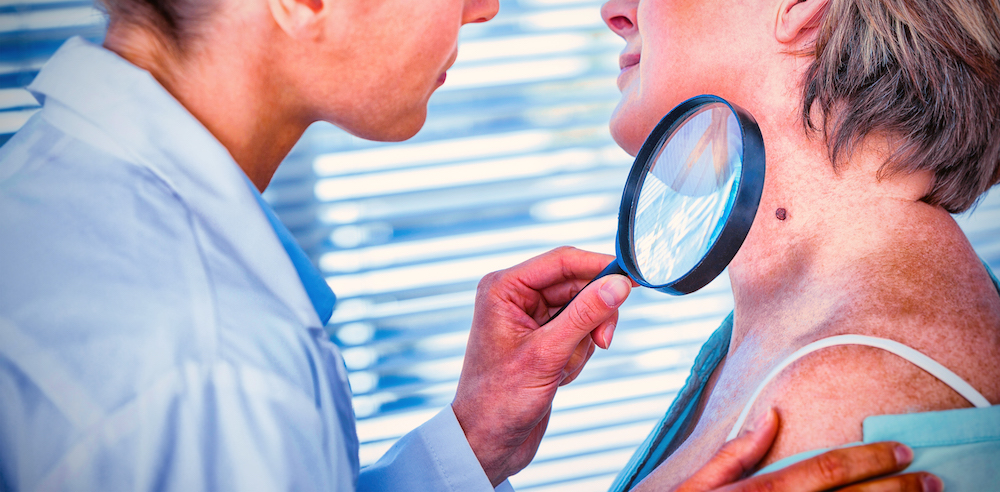
Skin cancer screening is a medical examination performed by a dermatologist or other healthcare provider to check the skin for any signs of skin cancer or other skin conditions. The purpose of the screening is to detect skin cancer at an early stage when it’s easier to treat and has a higher chance of being cured.
During a skin cancer screening, the dermatologist will examine your entire body, including areas that are not normally exposed to the sun, such as between your toes and on your scalp. The exam is usually performed in a private exam room and typically takes about 10 to 15 minutes.
The dermatologist will look for any abnormal moles, growths, or lesions on your skin, and may use a special magnifying lens or a dermatoscope to examine them more closely. If any suspicious areas are found, the dermatologist may perform a biopsy to collect a small sample of skin tissue for further testing.
It’s recommended that adults undergo a skin cancer screening at least once a year, particularly if you have a family history of skin cancer, have had previous skin cancer, or have a large number of moles or freckles. You should also have your skin checked if you notice any new or changing moles, growths, or lesions on your skin.
In addition to regular skin cancer screenings, it’s important to protect your skin from the sun by wearing protective clothing, using sunscreen with an SPF of at least 30, seeking shade, and avoiding outdoor activities during peak sun hours.
Acne:
Acne is a common skin condition that occurs when hair follicles become clogged with oil and dead skin cells, leading to the formation of pimples, blackheads, whiteheads, and cysts. Acne can occur at any age but is most common during puberty when hormone levels increase and stimulate the production of oil in the skin.
Acne can be caused by a combination of factors, including hormonal changes, genetics, stress, diet, and certain medications. While acne is not a serious health condition, it can be distressing and affect self-esteem, especially when it is severe or persistent.
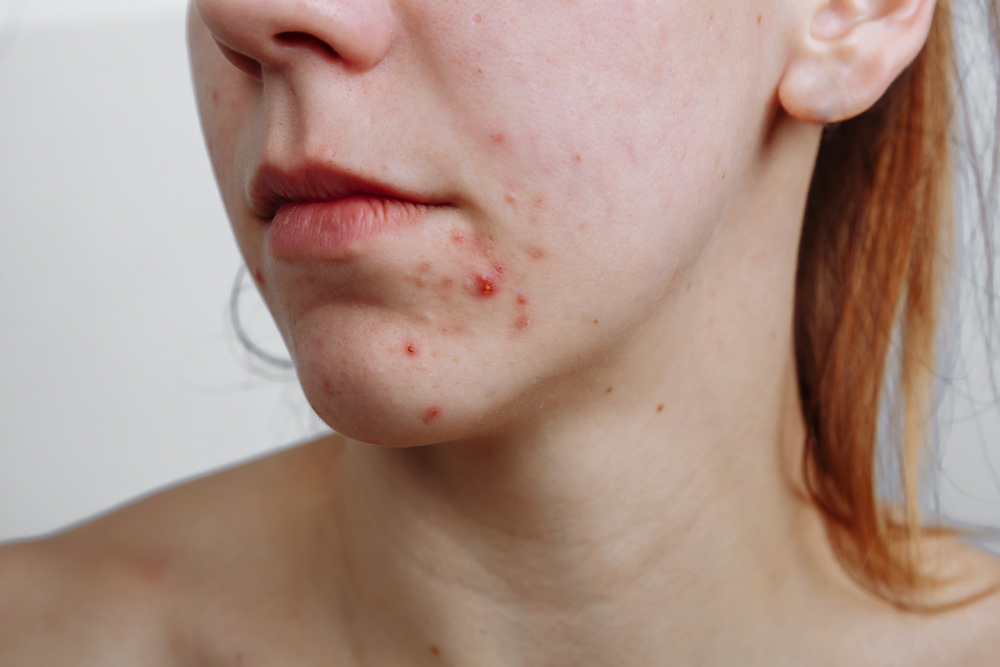
Treatment for acne depends on the severity and type of acne. Mild to moderate acne can often be treated with over-the-counter topical medications containing benzoyl peroxide, salicylic acid, or retinoids, which help to unclog pores and reduce inflammation. Prescription medications such as topical or oral antibiotics, topical or oral retinoids, and hormonal therapies may be needed for more severe cases of acne.
In addition to medication, certain lifestyle changes can help improve acne, such as washing the face twice a day with a gentle cleanser, avoiding picking or squeezing pimples, using non-comedogenic (non-pore-clogging) skincare and makeup products, and avoiding exposure to excessive heat and humidity.
It’s important to consult with a dermatologist for a personalized treatment plan if you have persistent or severe acne that is not responding to over-the-counter treatments, as early intervention can help prevent scarring and improve outcomes.
Skin rashes
A skin rash is a common symptom that can result from a variety of causes, including allergies, infections, medications, autoimmune disorders, and environmental irritants. A skin rash can appear as red, itchy, or swollen patches on the skin, or as small bumps, blisters, or hives.
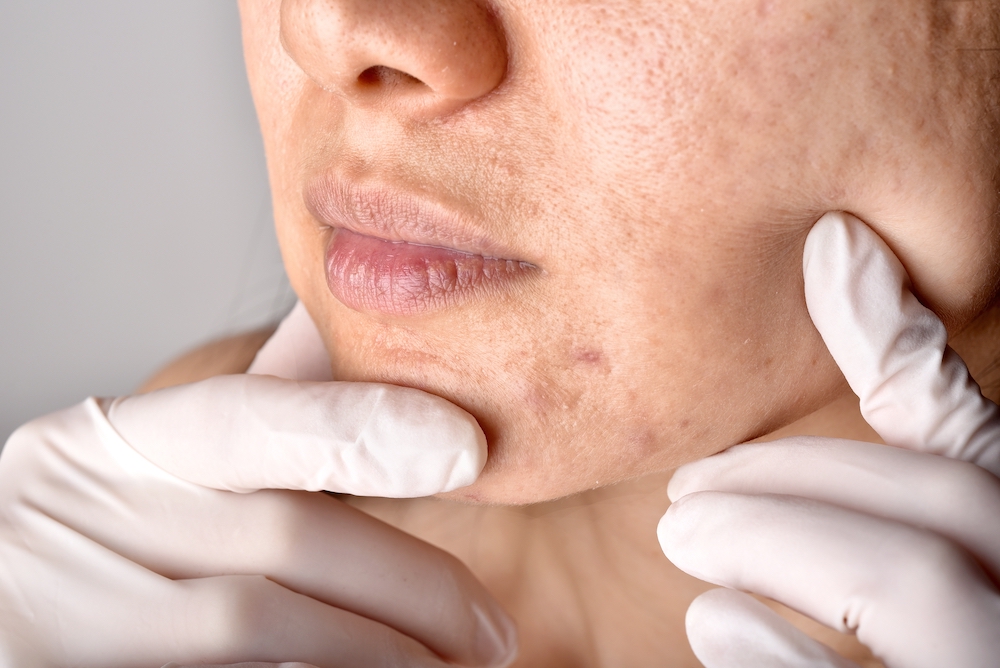
Some common types of skin rashes include:
Contact dermatitis: A rash that occurs when the skin comes into contact with an irritant, such as poison ivy, soaps, or detergents.
Eczema: A chronic skin condition characterized by dry, itchy patches of skin that can be red, scaly, or crusted.
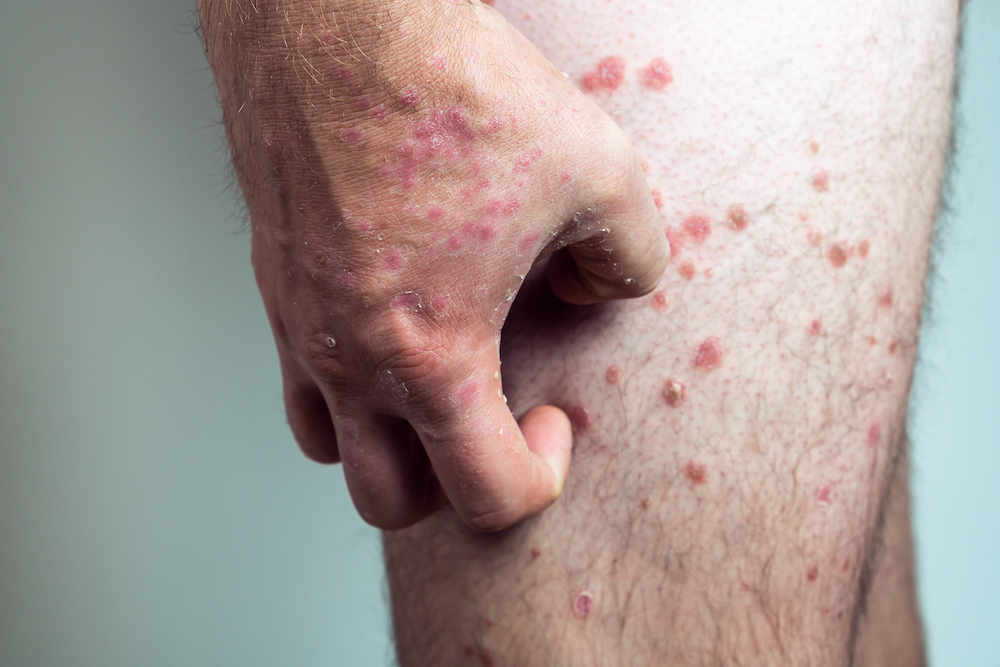
Psoriasis: A chronic autoimmune condition that causes thick, scaly patches of skin to develop on the body.
Rosacea: A chronic skin condition that causes redness and flushing of the face, along with acne-like bumps and visible blood vessels.
Hives: A raised, red, itchy rash that can be triggered by an allergic reaction, infection, or medication.
Treatment for a skin rash depends on the underlying cause. Mild to moderate rashes may be treated with over-the-counter topical medications, such as corticosteroid creams, antihistamines, or moisturizers. In some cases, prescription medications or other treatments may be needed, such as antibiotics for bacterial infections, antifungal medications for fungal infections, or oral immunosuppressive drugs for autoimmune disorders.
If you have a skin rash that is severe, spreading rapidly, or accompanied by other symptoms such as fever, pain, or difficulty breathing, it’s important to seek medical attention from a dermatologist or other healthcare provider as soon as possible. They can perform a thorough evaluation, diagnose the underlying cause, and provide appropriate treatment to help relieve your symptoms and promote healing.
Eczema and psoriasis
Eczema and psoriasis are both chronic skin conditions that can cause red, itchy, and scaly patches on the skin. While they share some similarities in symptoms, they have different causes and treatments.
Eczema, also known as atopic dermatitis, is a chronic inflammatory condition that affects the skin’s ability to retain moisture. It typically appears in childhood and can persist into adulthood. Eczema can be triggered by a variety of factors, including allergens, irritants, and stress. Common symptoms include dry, itchy, and scaly patches of skin, often on the hands, feet, face, and neck. Treatment for eczema typically involves avoiding triggers, applying moisturizers, and using topical corticosteroids or other medications to reduce inflammation.

Psoriasis, on the other hand, is an autoimmune disorder that causes the skin to grow too quickly, leading to thick, scaly patches of skin that can be red, silver, or white in color. Psoriasis can appear anywhere on the body, including the scalp, elbows, knees, and nails. It can also affect the joints, leading to a form of arthritis called psoriatic arthritis. Psoriasis can be triggered by a variety of factors, including stress, infections, and certain medications. Treatment for psoriasis typically involves a combination of topical or oral medications, phototherapy, and lifestyle changes.
While eczema and psoriasis are both chronic conditions that can be challenging to manage, with proper treatment and self-care, most people are able to manage their symptoms and maintain healthy skin. It’s important to work with a dermatologist to develop a personalized treatment plan that addresses your specific symptoms and triggers.
Skin ageing
Skin ageing is a natural process that occurs as we age. It is characterised by the loss of elasticity, firmness, and moisture in the skin, leading to wrinkles, fine lines, and age spots. While some degree of skin ageing is inevitable, it can be accelerated by factors such as sun exposure, smoking, pollution, and poor nutrition.
If you’re concerned about skin aging, it’s important to speak with a dermatologist. They can help assess your skin and recommend appropriate treatments and skincare products to help keep your skin looking healthy and youthful.
Hair loss
Hair loss, also known as alopecia, is a common condition that can affect both men and women. It can be caused by a variety of factors, including genetics, hormonal changes, medications, and medical conditions.
Some of the most common types of hair loss include:
Androgenetic alopecia: This is the most common form of hair loss and is often referred to as male or female pattern baldness. It is caused by a genetic predisposition to hair loss and is characterised by a receding hairline, thinning hair on the crown, and eventual baldness.
Telogen effluvium: This type of hair loss is caused by a disruption in the hair growth cycle, which leads to shedding of hair. It can be triggered by factors such as stress, illness, medications, and hormonal changes.
Alopecia areata: This is an autoimmune disorder that causes patchy hair loss on the scalp or other parts of the body.
Traction alopecia: This type of hair loss is caused by excessive pulling or tension on the hair, often due to tight hairstyles such as braids or ponytails.
Treatment for hair loss depends on the underlying cause. If you’re experiencing hair loss, it’s important to speak with a dermatologist or healthcare provider to determine the underlying cause and develop a personalised treatment plan.
Cosmetic concerns
If you have cosmetic concerns such as unwanted hair, scars, or birthmarks, a dermatologist can recommend cosmetic treatments such as laser therapy or cosmetic injections.
If you have any concerns about your skin, hair, or nails, it’s best to consult with a dermatologist who can diagnose and treat your condition effectively.
Docto is an Australian telehealth platform that provides access to medical consultations with licensed healthcare providers, including dermatologists. The platform allows patients to book online consultations with a dermatologist from the comfort of their own home, using a computer or mobile device.
Docto’s dermatology service can assist with a wide range of skin conditions, including acne, eczema, psoriasis, skin cancer screening, and hair loss. Patients can discuss their concerns and symptoms with a dermatologist, who can provide a diagnosis, treatment recommendations, and prescribe medications if necessary.
The benefits of using a telehealth platform like Docto.com.au for dermatology consultations include convenience, reduced wait times, improved access to care and greater cost-effectiveness.
It’s important to note that telehealth consultations may not be appropriate for all skin conditions or concerns, and a physical examination may be necessary in some cases. If you have a skin concern, it’s best to speak with a dermatologist to determine whether a telehealth consultation is appropriate for your needs.
Find out more and book an appointment with our expert team of dermatologists today. Docto can help you take the stress out of finding a dermatologist in Australia.
BY SAMANTHA
This blog is for informational purposes only and does not constitute medical advice. Please consult a licensed healthcare provider for diagnosis and treatment.
By Dr Robert Henderson, Neurologist

DOCTO – Australia’s online hospital – announced today that 100 medical specialists are available for consultations. The number of specialists providing services on the platform has grown from 40 to 100 in recent months, due to increased demand from patients and GPs for DOCTO’s Medical Specialist Telehealth service.

“Does my baby have reflux?”
 Winner
Ignite+Scale for fastest growing scale ups plus Ignite Ideas for high-growth potential start-ups to compete in a global market.